
The wings of the M437 take flight after being developed in a fully connected digital ecosystem
Digital engineering and advanced manufacturing not only saves cost and increases efficiency, it fosters collaboration across the entire program lifecycle.

Digital engineering and advanced manufacturing not only saves cost and increases efficiency, it fosters collaboration across the entire program lifecycle.
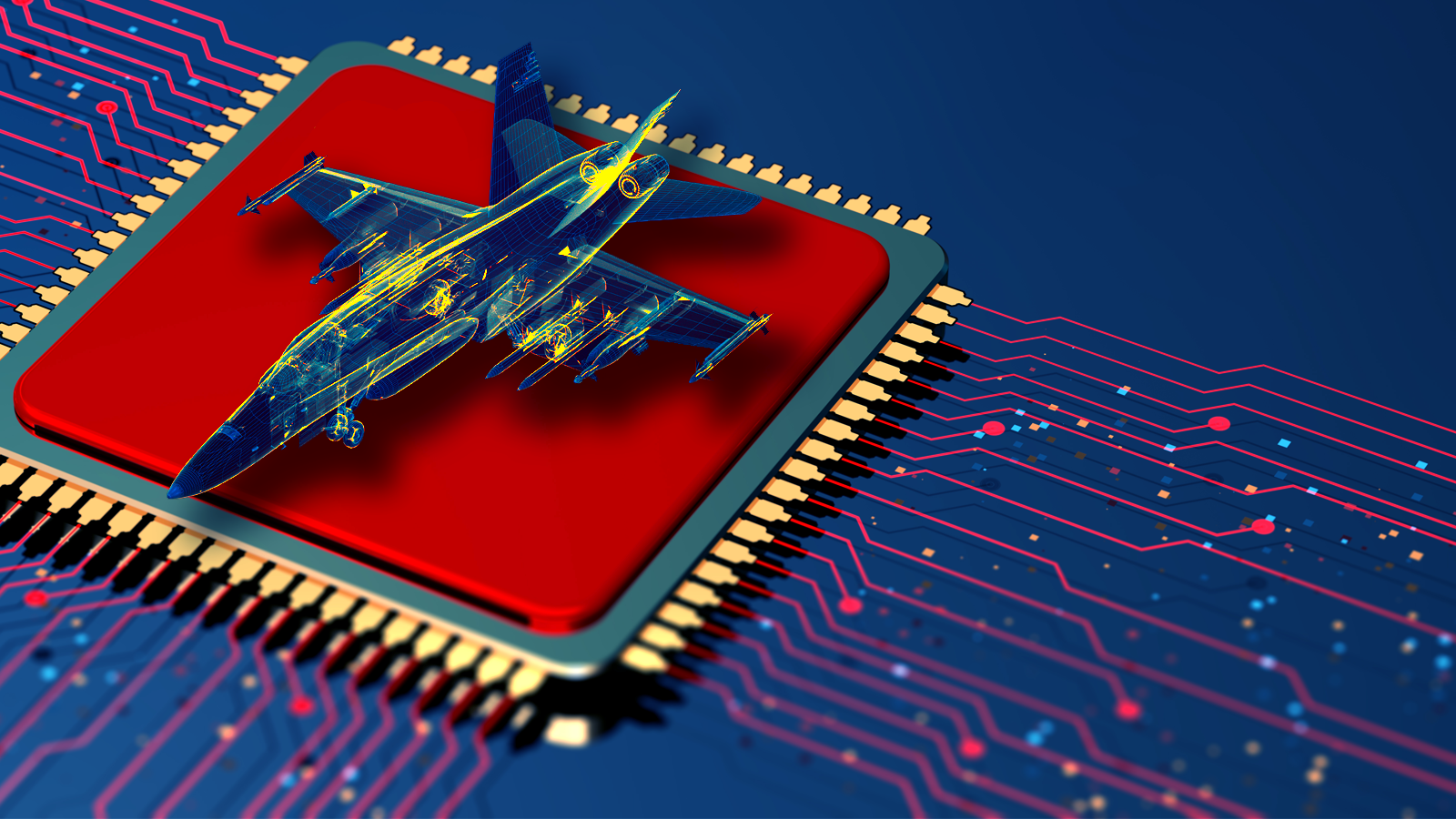
The aerospace titan wants to combine decades of detailed engineering data and test results with cutting-edge AI analysis to work out bugs in its designs before it builds them.


Consolidate network monitoring, performance management, and fault isolation into a single, comprehensive solution.
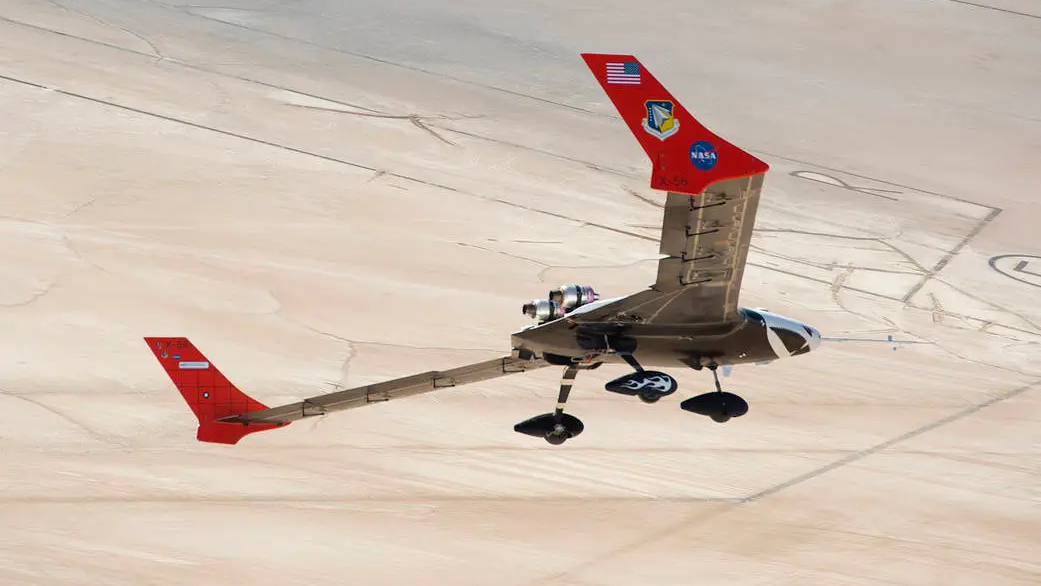
“Showing up with the right product too late is a losing strategy,” said Istari CEO Will Roper. “When I look at the world of technology that's so inspiring to me, they live by the gospel of speed.”

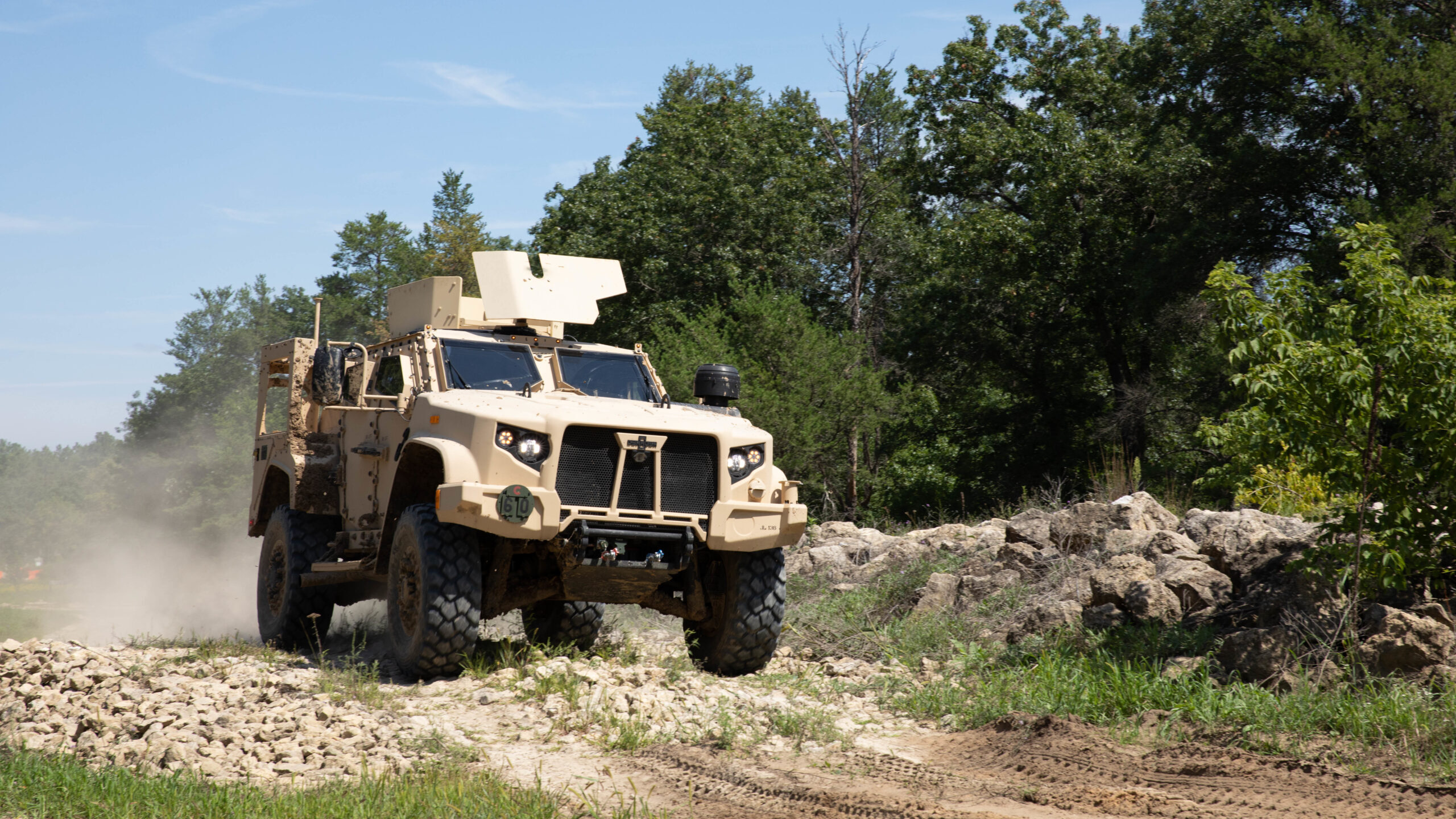
Acquisition official Young Bang said it would otherwise take “forever” to comb through data from program competitors General Dynamics Land Systems and American Rheinmetall Vehicles.

"Missions are ramming into each other, overlapping each other. The integration challenge is large," Lt. Gen. Heath Collins said. "[S]ilos exist between services, between entities within the services, between MDA."
“Some of the implications are that we now have batteries or, hopefully we'll have batteries, that are not reliant on rare earth minerals. We don't have to rely on those coming from adversarial nations such as China," Jen Sovada, president of SandboxAQ’s Global Public Sector division, told Breaking Defense.


Blending superior optics, advanced stabilization and AI-powered autonomy in a compact and rugged system, ASELFLIR 600 delivers unmatched intelligence, surveillance and reconnaissance (ISR) capabilities.
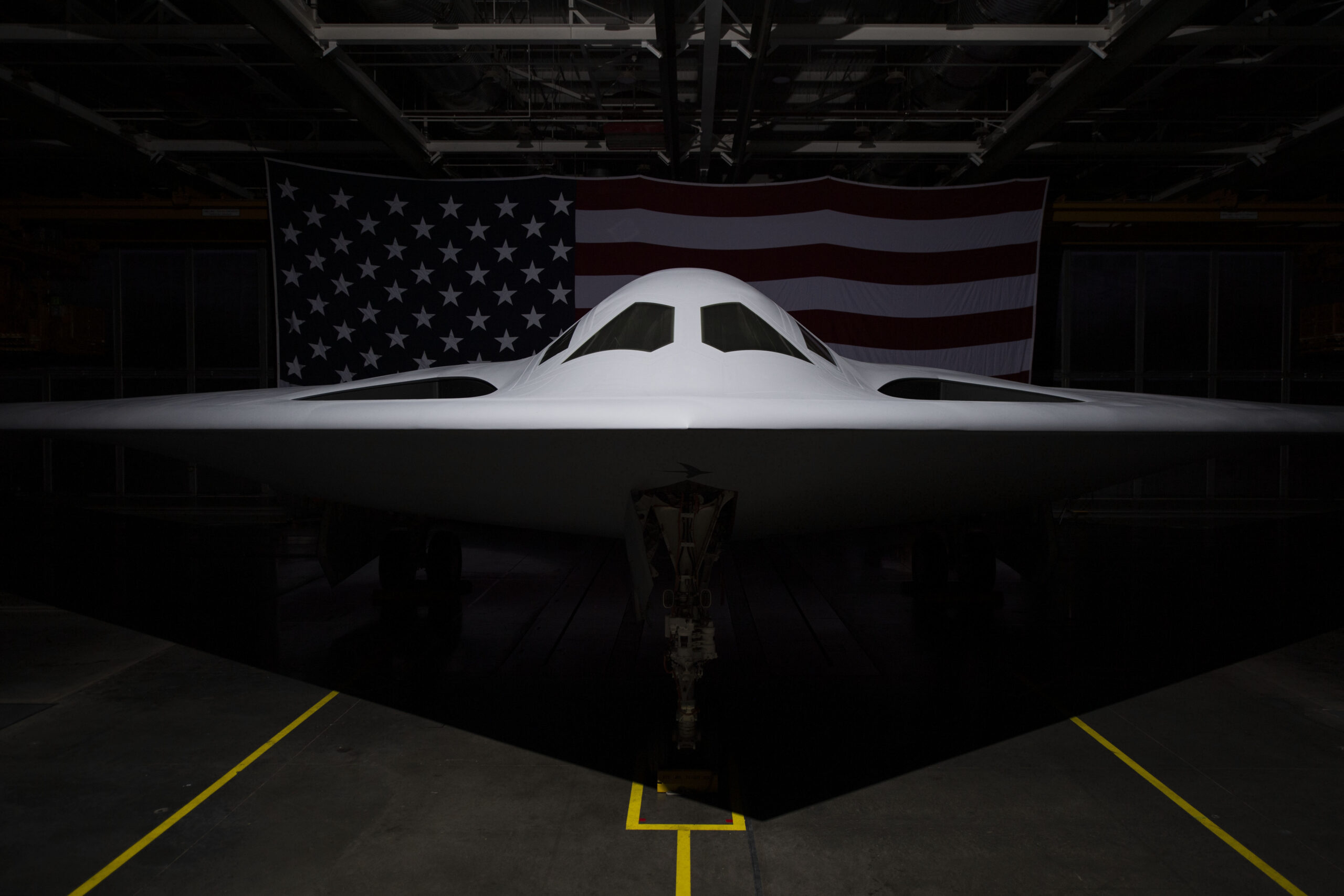
Customers and employees are experiencing the 'Butterfly Effect' of digital transformation from key national security programs.

“Now that we understand that 80 kilowatts is a must-have, it was the mission of: how do we get there, with the lowest impact to the overall airframe?” Honeywell Aerospace’s Matt Milas told Breaking Defense in an exclusive interview.
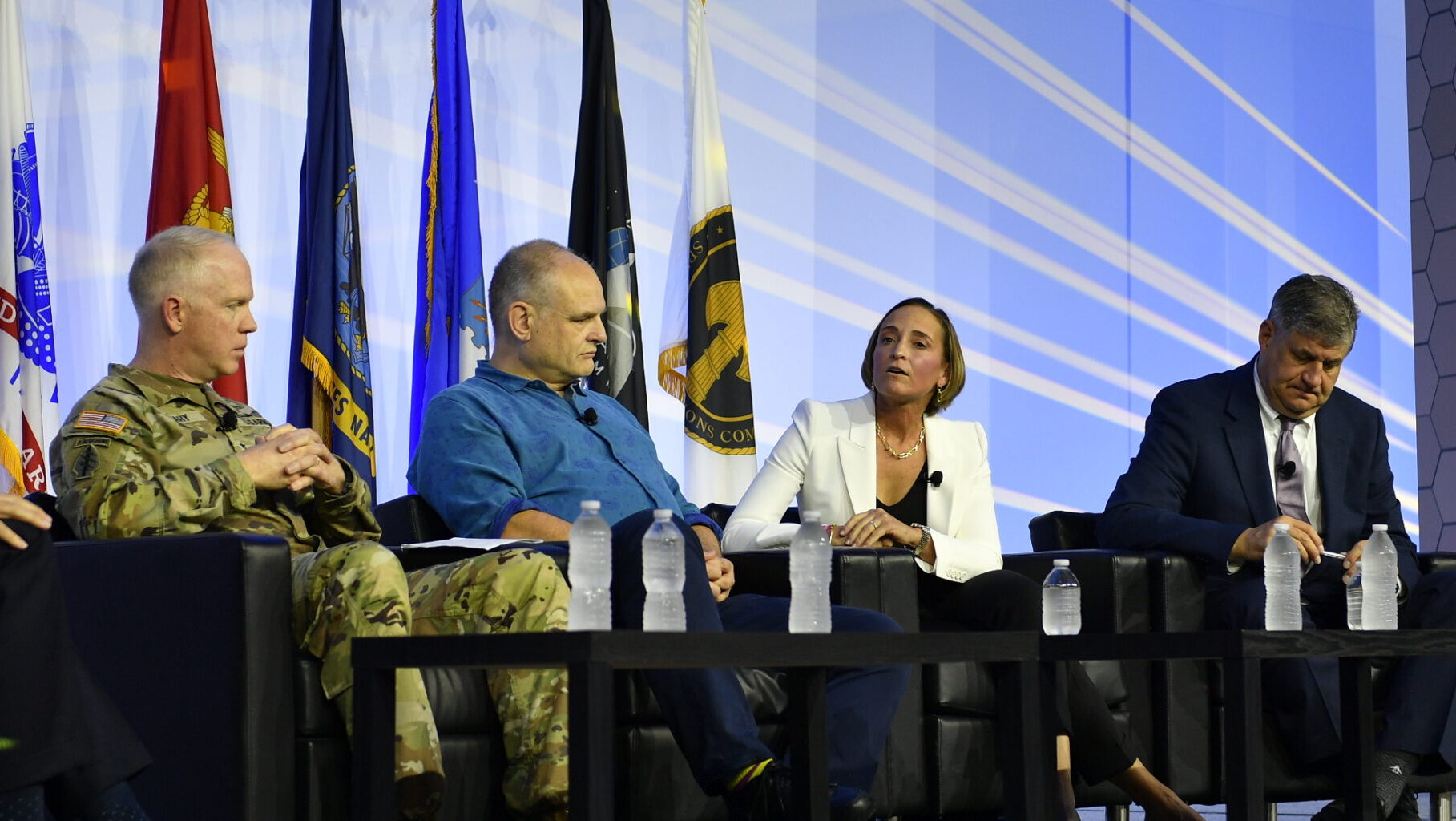
GDIT President Amy Gilliland sat down with Breaking Defense to talk digital engineering, zero trust and the firm's strategy for 2024.

The service has already asked vendors to come back with digital engineering “artifacts” and designs for two of its six modernization priorities, Army Under Secretary Gabe Camarillo told reporters.
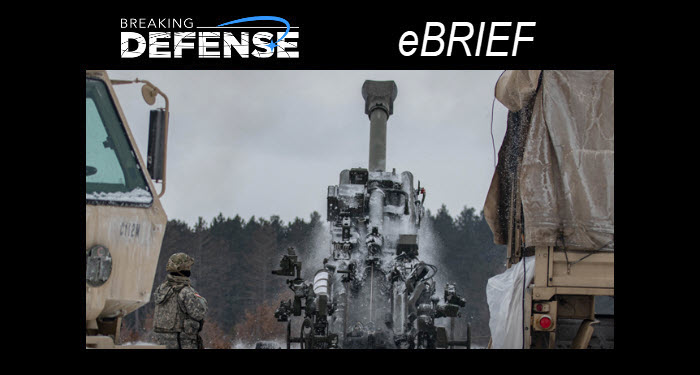
Michigan’s defense ecosystem and expertise makes it a special asset for production.

“Formula One is amazingly complex from an aerodynamic perspective. And in my opinion, it's more complex than what we do in aviation,” said Will Roper, the Air Force’s former acquisition chief.

Other R&D focus areas next year include software applications and energetic materials, or chemicals found in weapon systems, a key area of value for the Army.

Through digital engineering, the Army wants to move from manual processes to an all-digital environment, so much so that deputy assistant secretary of the Army for data, engineering and software Jennifer Swanson told Breaking Defense she hopes Army projects would be "born digital" within a few years.

The Space Force revealed its “Vision for a Digital Service” last May, which defined what the digital service would look like through four focus areas.